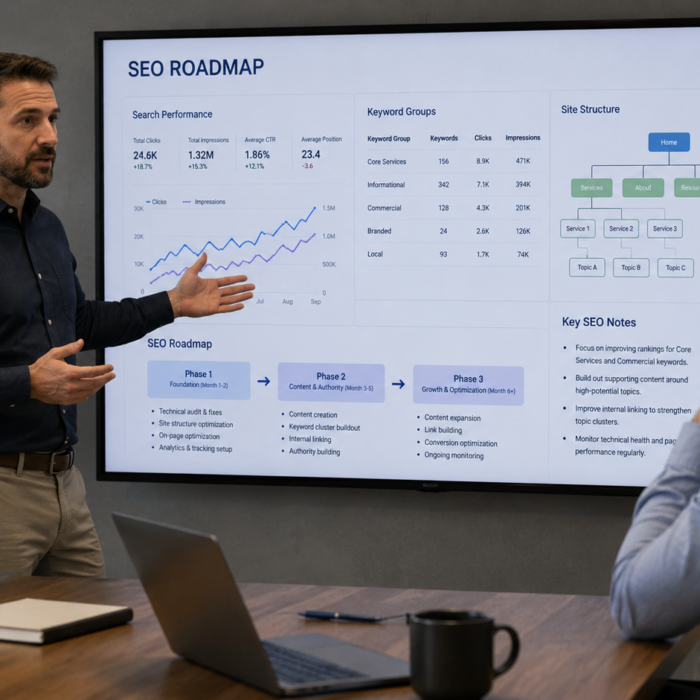


An seo agency helps businesses get found by people who are already searching for their services. It improves a website so search engines can read it better and users can find helpful answers faster.
SEO is not only about adding keywords to a page. It includes research, content, website structure, technical fixes, internal links, and regular tracking. A good agency brings all these parts together in one clear plan.
Many business owners know they need more traffic, but they do not know why their website is not ranking. Their site may look modern, but it may still have weak content, slow pages, missing headings, or poor keyword targeting.
This is where the right agency can help. It studies your website, finds the gaps, builds a plan, and improves your search visibility step by step.
What Is An SEO Agency?
An seo agency is a company that helps websites improve their organic search performance. Its goal is to help a business appear when people search for its services, products, or industry topics.
A strong agency does not guess. It uses data, research, and strategy. It looks at what people search for, how your website performs, and what competing pages are doing well.
Google’s Search Essentials explain the core factors that help web pages become eligible to appear and perform in Google Search. A good SEO team uses these basics as part of a clean and safe strategy.
An agency may help with:
- Keyword research
- Website audits
- Content planning
- On-page SEO
- Technical SEO
- Internal linking
- Link strategy
- SEO reporting
- Conversion support
For businesses that need a clearer growth plan, a focused search engine optimization strategy can help connect keywords, content, and website updates to real business goals.
Why Do Businesses Work With SEO Agencies?
Businesses hire seo agencies because SEO needs time, tools, and skill. A business owner can handle simple updates, but full SEO needs a wider plan.
Search engines need to understand your pages. Users need to trust your content. Your website also needs to load well, guide visitors clearly, and answer the right questions.
An agency helps connect these parts. It can find what is missing and build a stronger path forward.
Common reasons businesses hire SEO help include:
- Low organic traffic
- Poor keyword rankings
- Weak leads from the website
- Slow website pages
- Thin or outdated content
- Poor page structure
- Missing service pages
- Strong competitors
- No clear SEO plan
A good agency also saves time. Instead of trying random tactics, the business gets a clear process. That process should focus on better rankings, better traffic, and better leads.
What Does An SEO Team Actually Do?

A strong SEO team works across strategy, content, and technical performance. These areas support each other. Good content may not rank well if the site has technical problems. A fast site may still fail if the content is weak.
Research And Strategy
The first step is research. The agency studies your business, market, audience, and competitors. It finds which keywords matter and which pages need work.
Good research does not only focus on search volume. It also looks at intent. A keyword should match what the user wants and what the business offers.
For example, someone searching for a service may be ready to compare providers. Someone searching for a definition may only want basic information. Both can matter, but they need different content.
Website And Technical Checks
The agency should review your website health. This may include crawl errors, page speed, mobile usability, broken links, missing titles, poor headings, and index issues.
Google’s Core Web Vitals documentation explains performance signals linked to loading speed, interactivity, and visual stability. These areas matter because users often leave websites that feel slow or hard to use.
Content And Page Updates
Content is a major part of SEO. An agency may improve old pages, write new service pages, plan blogs, and add better internal links.
Good page updates go beyond keywords and meta tags. Strong structure, headings, search intent, and user experience also matter. A helpful guide on advanced on-page SEO tactics can support this type of deeper content work.
How An SEO Firm Helps Improve Website Growth?

An seo firm helps growth by turning search visibility into useful business outcomes. Rankings are important, but they are not the final goal. The real goal is to bring in visitors who may become leads or customers.
A strong agency looks at the full path. It checks how people find your site, what page they land on, what they read, and what action they take next.
| SEO Area | How It Helps Growth |
| Keyword Strategy | Targets searches that match buyer needs |
| Content Planning | Builds pages that answer real questions |
| Technical SEO | Helps search engines crawl the site |
| Internal Links | Guides users and search engines to key pages |
| Reporting | Shows what is working and what needs work |
| Conversion Support | Helps turn visitors into leads |
The work should be steady. SEO is not a one-week task. Search behavior changes. Competitors update pages. Websites need fresh content and regular checks.
This is why an agency should keep improving the plan instead of only doing one audit and leaving.
What Makes A Good Search Engine Optimization Agency?
A good search engine optimization agency is clear, honest, and practical. It should explain the work in simple terms. You should not need to decode confusing reports or vague promises.
The agency should care about your business goals. More traffic is useful only when it supports leads, calls, bookings, or sales.
A strong agency should offer:
- A custom SEO plan
- Clear keyword research
- Technical website checks
- Useful content strategy
- Honest timelines
- Simple reports
- Safe link practices
- Regular updates
- Focus on business results
Good agencies also show proof. This can include case studies, sample reports, or real project examples. Before choosing a provider, reviewing SEO case studies can help you see how strategy, content, and technical work may connect to measurable growth.
What To Expect In The First Few Months?
SEO takes time, but the first few months should still feel active. A business should know what the agency is doing and why it matters.
In the first month, the agency may focus on audits, keyword research, analytics checks, and a roadmap. It may also fix urgent technical issues.
In the next stage, the work may include content updates, new pages, better internal links, and technical improvements. Reporting should show early movement, even if big results take longer.
You may see progress in:
- More search impressions
- Better keyword positions
- More organic clicks
- Stronger page quality
- Better technical health
- More useful content
- Improved lead tracking
The best agencies do not hide behind vanity metrics. They explain what changed and what happens next.
How SEO Experts Measure Success?
Good seo experts measure more than rankings. Rankings matter, but they do not tell the whole story. A keyword can rank well and still bring poor leads. Another keyword may bring fewer visitors but better buyers.
The right metrics depend on the business. A service company may care about calls and form fills. An ecommerce store may care about product sales. A B2B company may care about qualified leads.
Useful SEO metrics include:
- Organic traffic
- Keyword growth
- Search impressions
- Click-through rate
- Leads from organic search
- Conversion rate
- Indexed pages
- Technical fixes
- Content performance
- Revenue from organic traffic
Reports should be easy to read. A business owner should understand the results without needing technical knowledge.
How To Know If An Agency Is The Right Fit?

The right agency should feel like a partner, not just a vendor. It should ask smart questions and explain its plan clearly.
Before hiring, ask:
- What will you do first?
- How will you choose keywords?
- How do you improve content?
- Will you review technical SEO?
- How do you report progress?
- How do you measure leads?
- What results are realistic?
- Who will handle the work?
Avoid agencies that promise instant rankings. No agency controls every part of the search. A good agency can control work quality, strategy, reporting, and improvement.
If your business needs a clear SEO roadmap, it can be helpful to discuss an SEO plan before starting full monthly work.
FAQs
What Does An SEO Agency Do?
An seo agency helps improve a website’s search visibility. It works on keywords, content, technical SEO, internal links, and reports to bring better organic traffic.
Are SEO Agencies Worth It?
Yes, seo agencies can be worth it when they help bring qualified traffic and leads. The value depends on the strategy, work quality, and business goals.
What Is The Difference Between An SEO Firm And An SEO Consultant?
An SEO firm usually has a team that handles several parts of SEO. A consultant may work alone or focus on one area, such as audits or strategy.
How Long Does SEO Take?
SEO often takes several months to show clear results. The timeline depends on competition, website health, content quality, and the amount of work needed.
What Should A Search Engine Optimization Agency Report?
A search engine optimization agency should report traffic, rankings, completed work, leads, technical issues, and next steps. Reports should be simple and clear.
How Do SEO Experts Help Businesses Grow?
SEO experts help businesses grow by improving search visibility, fixing website issues, planning content, and attracting visitors who are more likely to become leads.
Conclusion
An seo agency can help a business grow by improving how its website appears, performs, and converts in search. The right agency does not only chase rankings. It builds a full plan around research, content, technical SEO, reporting, and lead quality.
Before hiring, look for clear communication, honest timelines, useful reports, and a plan that fits your business. Avoid vague promises and one-size-fits-all packages.
With the right partner, SEO can become a steady growth channel. It can help your website reach better visitors, answer their questions, and turn more of them into leads.