Clothing and Apparel SEO for Fashion Brands That Sell Online


Get your collections and products found by shoppers ready to buy.
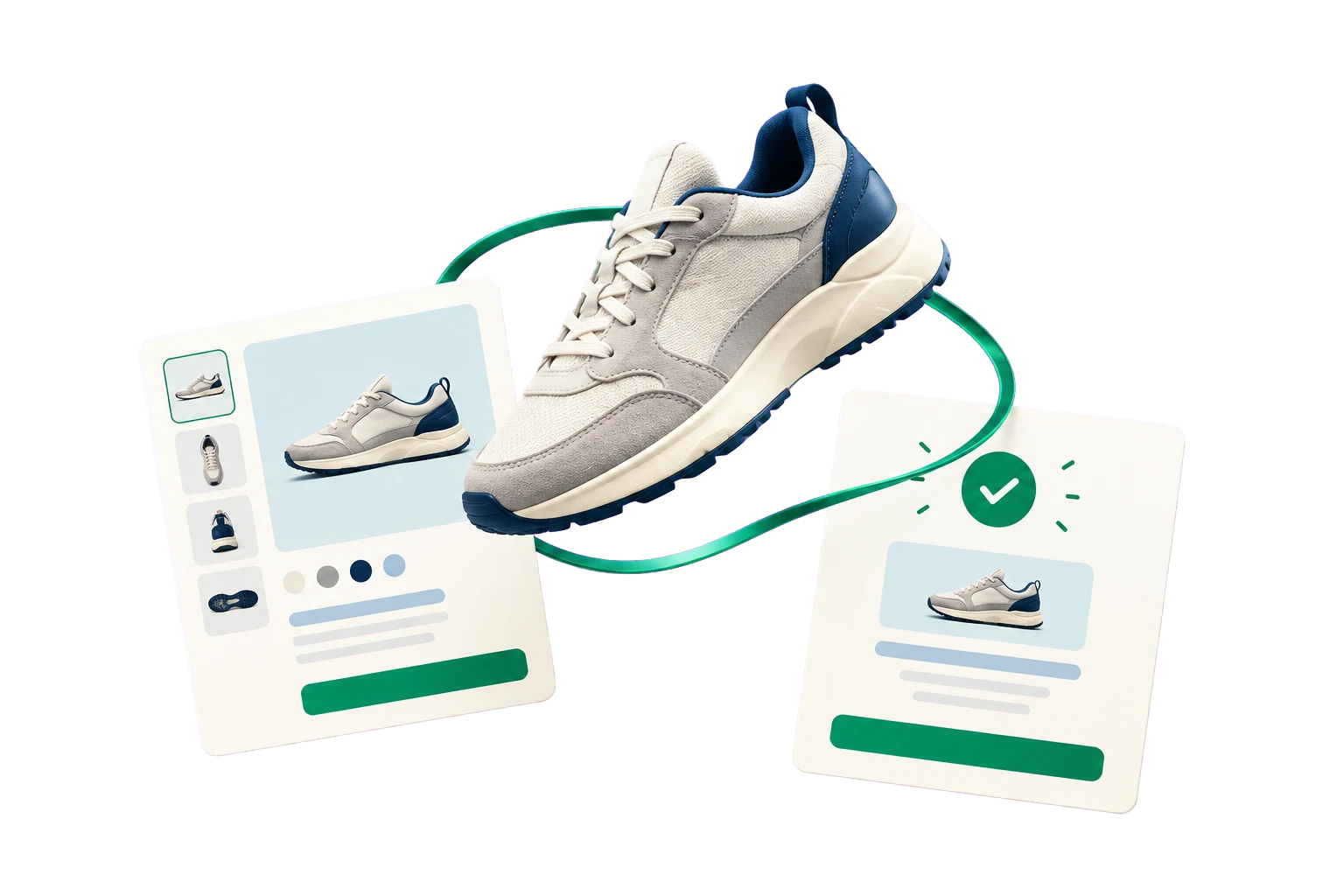
Sneaker with product page and order confirmation cards
Clothing & Apparel SEO

Shoppers Search by Fit, Style and Occasion. Your Store Should Too.

Apparel shoppers rarely type a brand name first. They search "high rise wide leg jeans", "linen dress for a beach wedding" or "does this run small". If your collections are organized only by season or internal product names, those searches go to marketplaces and bigger brands.

We build apparel stores around how people actually shop for clothes. That means collections by style, fit and occasion, product pages that answer sizing questions, clean color and size variants, and drops that rank before launch day. We work on Shopify, WooCommerce and BigCommerce, and we focus on organic search, free listings and AI search.

  • Collections built around style, fit and occasion searches
  • Size and fit content that answers questions before checkout
  • Color and size variants without duplicate pages
  • Seasonal drops planned to rank on launch day
Common issues

Apparel SEO Problems We Fix

Fashion stores move fast, and SEO usually falls behind the product calendar. These are the issues we see most in apparel catalogs.

  • 01

    Collections named for the brand, not the shopper

    The problem

    Pages called "The Sunday Edit" or "Drop 07" don't match anything people search.

    What we do

    We add evergreen collections like "linen pants" or "wedding guest dresses" and keep themed edits linked from them.

  • 02

    Variant URL duplication

    The problem

    Each color or size can create its own URL, splitting signals across near-identical pages.

    What we do

    We set clear canonicals and decide when a colorway deserves its own indexable page.

  • 03

    Sizing questions left unanswered

    The problem

    Shoppers who can't tell how a piece fits leave to read reviews elsewhere or buy from a brand with clearer guidance.

    What we do

    We build size guides, fit notes and model measurements into product pages and link them in your schema and feeds.

  • 04

    Sold-out styles turning into dead ends

    The problem

    Deleting sold-out products throws away links and rankings, and leaving them as plain pages frustrates shoppers.

    What we do

    We keep restocking items live with back-in-stock options and redirect retired styles to the closest collection.

  • 05

    Drops that launch with no search history

    The problem

    A collection page published on launch morning has no time to be crawled or ranked.

    What we do

    We publish drop and seasonal pages early, with waitlists, and reuse the same URLs every year.

  • 06

    Thin product copy

    The problem

    "Soft, comfortable, effortless" tells Google and shoppers nothing about fabric, fit or care.

    What we do

    We write product copy with fabric weight, fit, rise, length, stretch and care details.

  • 07

    Filter pages flooding the index

    The problem

    Size, color, price and sort filters create thousands of thin URLs that waste crawl budget.

    What we do

    We index only filters that match real searches, like "black midi skirts", and block the rest.

  • 08

    Products missing from free listings

    The problem

    Feeds without size, color, gender and age group get disapproved or shown poorly in Google Shopping.

    What we do

    We clean up product data and Merchant Center attributes so your catalog qualifies for free listings.

Want More Sales From Search?

Tell us about your business and get a free SEO proposal. A strategist will reply within one business day, with no obligation.

This field is for validation purposes and should be left unchanged.
The industry

Why Apparel SEO Is Different

Clothing has more variants, faster turnover and more fit anxiety than almost any other category. Your site structure has to handle all three.

How shoppers search

From occasion to exact fit

  • Occasion first, like "what to wear to a fall wedding"
  • Style and cut, like "barrel leg jeans" or "boxy tee"
  • Fit and body type, like "tall women's joggers"
  • Fit checks, like "does [brand] run small"
  • Images and AI answers for outfit ideas
What it takes to win

Where apparel stores win

  • Evergreen collections for style, fit and occasion
  • Size guides and fit notes on every product
  • One clean URL per style, with variants handled in schema
  • Product and merchant listing structured data
  • A Merchant Center feed with full apparel attributes
  • Drop and seasonal pages published ahead of launch
  • Fit is the top objection

    Most returns and abandoned carts start with sizing doubt. Clear fit content helps shoppers, and it is also content Google and AI tools pull from.

  • The catalog turns over constantly

    Styles sell out and seasons rotate. Rules for restocks, retired products and recurring collections protect the rankings you have earned.

  • Search is visual

    Shoppers browse image results and outfit ideas. Good product photos, descriptive file names and alt text help your products show there.

  • Reviews mention fit

    Reviews that say "runs small" or "true to size" answer real searches. We help you show them on the page in a way search engines can read.

What you get

What's Included in Our Apparel SEO Services

Everything your clothing store needs to rank, from theme code to your next drop.

  • Technical SEO

    • Variant and canonical setup
    • Filter and facet index rules
    • Speed for image-heavy pages
    • Redirects for retired styles
  • Apparel page types

    • Style, fit and occasion collections
    • Size and fit guides
    • Drop and seasonal pages
    • Lookbooks linked to products
  • Content

    • Product copy with fabric and fit details
    • Styling and outfit guides
    • Gift guides by recipient
    • Returns and fit FAQs
  • Authority

    • Fashion press and stylist mentions
    • Reviews and UGC with fit details
    • Collaboration and launch coverage
    • Links to your key collections
  • Product data and AI search

    • Product and merchant listing schema
    • Merchant Center free listings feed
    • Variant data for size and color
    • Visibility checks in ChatGPT and AI Overviews
  • Reporting

    • Monthly report in plain language
    • Organic revenue by collection
    • Free listing clicks
    • What we did and what's next
How we work

Your First 90 Days

A clear plan from day one, so you always know what we are working on and why.

  1. Weeks 1–2

    Store and feed audit

    We crawl your store, review variants, filters and Merchant Center, and record where you rank today.

  2. Weeks 3–6

    Technical fixes

    Canonicals, filter rules, schema and redirects, fixed by us or briefed to your developer.

  3. Weeks 5–10

    Collections and products

    We build style, fit and occasion collections and improve your top product pages first.

  4. Weeks 8–12

    Size guides and drops

    Fit content goes live and upcoming drop pages are published ahead of launch.

  5. Every month

    Report and refine

    Rankings, organic revenue and free listing results, plus the plan for the next season.

Timelines depend on your starting point, your market and how much needs fixing.

Who it is for

SEO for Every Kind of Apparel Brand

  • Emerging DTC labels

    Build the foundation

    A clean store structure, collections for the searches you can win now, and fit content that builds trust with first-time buyers.

  • Drop-based streetwear

    Rank before the release

    Drop pages, waitlists and evergreen collections that keep pulling traffic between releases.

  • Established fashion brands

    Scale the catalog

    Variant rules, filter strategy and feed quality across a large catalog, plus content for every season.

Mr. Pretzels logo RONA logo Shipwell logo Sleep Number logo Audi logo Jiobit logo Leon's logo LinguaLift logo
FAQs

Clothing & Apparel SEO Questions, Answered

Should each color of a product have its own URL?

Usually not. Most stores do best with one product URL and the colors handled as variants in the page and the schema. A colorway can earn its own page when people search for it by name, and we decide that case by case.

How should we handle sold-out items?

If a style will restock, keep the page live with a back-in-stock signup and accurate availability in your schema. If it is gone for good, redirect it to the closest style or collection so you keep the links it earned.

Do size guides really help SEO?

Yes. Shoppers search fit questions before buying, and a clear size guide can rank for them and answer them in AI search. It also helps the shopper choose the right size, which is the main reason to build one.

How early should we publish pages for a new drop?

As early as you can, ideally weeks ahead. A teaser page with a waitlist gets crawled and starts building signals before launch. For recurring seasons, we reuse the same URL each year.

Can you get our products into Google Shopping without ads?

Yes, through free listings in Merchant Center. We clean up your feed with the apparel attributes Google expects, such as size, color, gender and age group. We don't manage paid Shopping campaigns.

How do we show up when people ask ChatGPT or Gemini for clothing recommendations?

AI tools draw on clear product details, reviews, size guidance and mentions on other sites. We make sure your pages state fit, fabric and use cases plainly and that your brand is covered in places these tools read.

Are lookbooks worth indexing?

They can be, when each look links to shoppable products and has real text describing the styling. A lookbook that is only images rarely ranks, so we add captions and product links.

How much does apparel SEO cost?

It depends on your scope, your competition, the size of your catalog and how many markets you sell in. A new label needs a different plan than a large seasonal catalog. Get a free proposal and we will recommend a plan that fits your goals.

Is Your Store Easy to Find?

Get a free SEO audit of your online store.

This field is for validation purposes and should be left unchanged.
Scroll to Top